
The Holistic Transformation Program: Built on 15 Years of Evidence, Not an AI Prompt
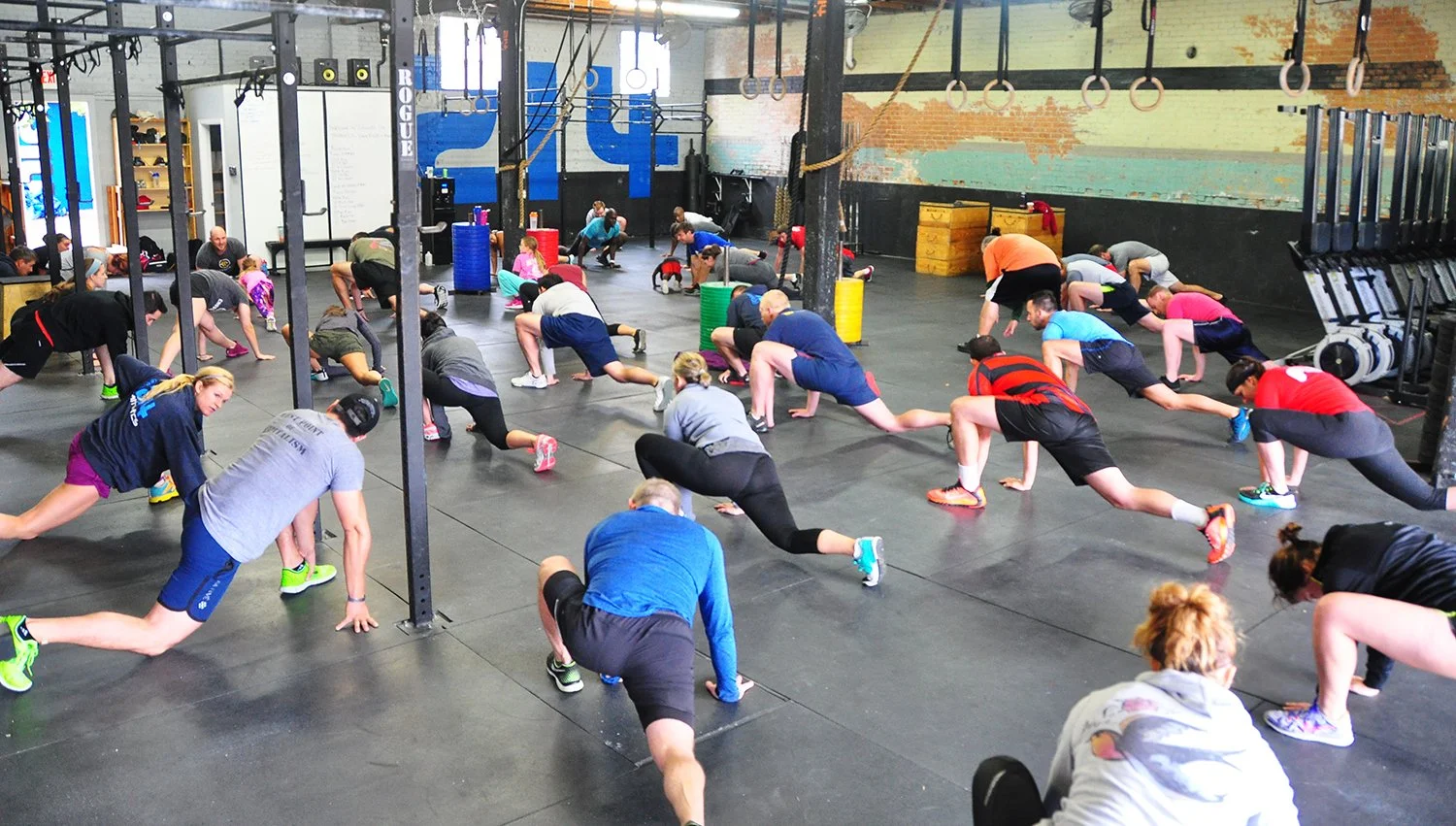
I started coaching nutrition back in the early 2010s while running my gym, CrossFit 214.
The paleo diet was gospel in the CrossFit world at the time — meat, vegetables, fruit, nuts, seeds. Loren Cordain's plan to fix everything wrong with modern eating. So we ran paleo challenges with the fervor of a cult that just found its second book. Results: mixed.
Some athletes felt incredible. More energy, less body fat, glowing skin, the whole testimonial package. Others did the exact same challenge and looked... exactly the same. Same body, same mood, mildly annoyed they gave up beer for a month for nothing.
I'll never forget the athletes who'd build a "breakfast" out of four eggs, half a pound of bacon, and a mountain of sweet potato hash — then act genuinely baffled when the scale didn't move. "But it's paleo!" they'd say, while inhaling something north of 2,000 calories before 8 a.m. Paleo tells you what to eat. It says nothing about how much. Turns out your body doesn't care that the calories are Whole30-approved.
Turns out the obvious answer wasn't obvious to me yet: paleo fixes food quality, not food quantity — and quantity is at least half the game. Cutting processed junk — bread, beer, sugar, fast food — genuinely calmed people's gut inflammation. But if the goal was fat loss, paleo made no promises about calories or macros, the two things that actually move body composition.
Fat loss only happens one way: your body has to be convinced to burn it for fuel, and the biggest lever for that is a calorie deficit. Bodybuilders have known this since the invention of the muscle tank. So I went and studied how bodybuilders actually cut fat to step on a stage half-naked and covered in glaze. I reverse-engineered RP Strength, the most popular bodybuilding nutrition program at the time, to understand how they manipulated macros and energy intake to drive results.
I still remember pulling up one of my athlete's actual RP templates and backing into the numbers — total calories, macro splits, the whole thing. The math explained everything I was seeing. Yes, people lost weight fast. They were also starving. The deficits were steep, and the diet leaned heavily on carbs, which do almost nothing for satiety compared to fat and protein. Great for a fast cut. Miserable to sustain.
So I tweaked it. I dropped carbs a bit to protect insulin sensitivity — most people don't realize competitive bodybuilders are quietly setting themselves up for diabetes down the road — and bumped fat and protein, betting that more of both could improve sustainability without giving up results.
I was right
The results were dramatic. Paleo's food-quality rules plus real calorie and macro control worked far more consistently for clients chasing body composition change.
Still — not everyone responded. Gut inflammation: controlled. Calories: dialed. Macros: precise. So what else was hiding in the variance?
I kept digging. Sleep kept coming up as "important" in that vague, everyone-knows-you-should-sleep-more way, so I actually read Dr. Matthew Walker's research and started having athletes track sleep daily. The pattern jumped out almost immediately — the clients not responding were the ones running on garbage sleep, night after night. Turns out almost nobody hits great body composition results on less than seven solid hours of actual sleep. And since nobody sleeps every minute they're in bed, that means roughly eight hours of lights-out time, whether you remember waking up at 2 a.m. or not.
One client stands out. A new mom, trying to lose the baby weight, doing everything right — clean food, macros tracked to the gram, training hard. The scale wouldn't move an inch. Turned out she'd been taking Ambien nightly for years. Ambien doesn't give you restorative sleep — it sedates you, which is not the same thing, no matter how dead to the world you look. It took her three rough nights to get off it cold turkey. On night three, she slept harder than she had in years. She woke up with real energy for the first time in a long time — and almost immediately, the fat started coming off like clockwork.
So I added consistent bedtimes, wind-down routines, caffeine cutoffs, and screen discipline. Results got more consistent. Still not universal.
Food: dialed. Sleep: dialed. And there were still outliers.
More digging turned up more variables that actually mattered: hormonal profile, gut health, hydration, training approach — where less is usually more — and mineral deficiencies nobody was screening for.
Prescription drugs were a big one. Two dermatology staples in particular, finasteride and spironolactone, cause real hormonal collateral damage. I saw it firsthand in blood work from several female athletes on spironolactone for acne — their testosterone was so low it didn't even register on the lab report. We fixed the underlying inflammation driving the acne, got them off the drug, and their results took off. First time building real muscle. Strength numbers climbing every week.
It got complicated fast. But I ran it like an experiment: anything that reliably improved consistency, I kept. Anything that didn't move the needle, I cut loose without sentiment.
The Holistic Transformation Program is what's left after 15 years of that process — a 12-week system built from what actually works, not what sounds good on a supplement label. We start with an optimization phase, where you get to ride the "wait, I forgot I could feel like this" high for a while. Then we teach you how to ease off peak-optimal into something sustainable — built around your life, not a stage-ready fantasy.
Here's the thing about all of this: none of it is secret anymore. I'm running into more and more people who can rattle off half the list above — food quality, calorie deficits, sleep architecture, hormone panels — because AI made it trivially easy to assemble a plan that hits every factor on paper. And yet. These are smart, motivated people, 40 to 50 pounds overweight, weak, running on empty — with a technically correct plan sitting untouched in a Google Doc.
Knowing the mechanisms was never the hard part. Stacking them into habits that survive a real week — with a job, a kid, a bad night, a birthday party with cake — is the hard part. That's coaching. Not information. Execution, troubleshooting, and the mindset work to actually prioritize it when life pushes back.
If you're one of those people who already knows all of this and still can't get it together — that's exactly who I built this for.
Let's talk about getting you actual results — not just a plan collecting dust and a convincing talk track: Book a High Touch Performance Consultation