
Nicholson Human Performance Blog
Explore our expert insights and actionable tips on nutrition, fitness and holistic health. Want to receive weekly updates? Sign up for our newsletter, The Pulse.

Three Powerful Food Lenses
Buckle up buttercup, this is a big one.
The unvarnished truth is that you’re probably making some pretty dumb decisions with what you eat. Now don’t take that too hard, what I mean is that you’re eating things that have an impact on how you look, feel and age that simply aren’t worth what they cost you.
There’s no morality in food. There are no good or evil foods. There is only biochemistry and thermodynamics. There are effects of food, both positive and negative. If a food brings you momentary joy, or is part of a family dinner experience, or maybe has cultural significance, clearly there’s a benefit there. But is it worth the gut inflammation, body fat, or chronic disease it will cause? That’s a decision only you can make. We can teach you how to stop guessing and get exactly what you want out of your food.
Lets introduce a few lenses through which you can assess the food you eat to better understand the costs of the dietary decisions you’re making.
Food quality
The food quality lens is all about ingredients. What is it that you’re eating and does it cause inflammation? Gut inflammation can manifest in many forms from bloating and indigestion to full blown autoimmune conditions like Hashimoto’s, rheumatoid arthritis, IBS, and Crohn's. Cleaning up your food quality is by far the biggest lever each of us has when it comes to feeling better. The good news is changes can be achieved in a very short period of time. We address this in week 1 of the Holistic Transformation Program, where most participants lose 5-10lbs as they flush out inflammation.

Meats, fruits, cooked vegetables, and healthy fats are generally well tolerated by the vast majority of humans. These are anti-inflammatory foods in the sense that they don’t damage your gut and are digested easily. A diet of only beef, berries, spinach, salmon, and olive oil (as one example) would leave almost everyone with higher energy levels, less bloating and GI issues, and dramatically improved inflammatory state. It might even clear up your dermatological issues, improve your sleep, and eliminate that bloated belly straining your t-shirts.
Foods like wheat, palm oil, and alcohol are heavily inflammatory for close to 100% of people that consume them. These foods can cause short term weight gain by inflaming the gut and causing fluid retention in the abdomen, and in extreme cases, extremities as well. Short term this can lead to feeling uncomfortably full, acid reflux, and brain fog. Left unchecked gut inflammation leads to joint pain, allergies, and wide ranging food sensitivities as well as a huge uptick in chronic disease risk.
Have you ever stepped on the scale to see you’re up a couple pounds from the day before? You’re inflamed. Rapid changes in body weight are indicative of inflammatory state, not a change in body composition which changes much more slowly.
Lastly, there are gray area foods like dairy and corn that have a high degree of variation in affect from person to person. For some they can be heavily inflammatory while others tolerate them well in moderate to high quantities. If you want to figure out which foods are causing you problems, running an elimination diet is by far the best way to find out. Check out the details of how to here.
If you want to improve your nutrition and fitness, food quality is the most effective place to start.
Macronutrients
The macronutrient lens looks at what forms of energy are in the food you’re eating. The primary macros are protein, carbohydrate, and fat. You can find these on a nutrition label of packaged foods, or a quick internet search for real foods like meat, fruits, and veggies.
Protein gets a lot of press and rightly so. Protein is by far the most important macronutrient for most of us. Proteins are broken down into amino acids by our body to fuel almost all our daily organ functions. The ones we need and can’t make are called essential amino acids and are found in all types of animal meat and fish.
Any amino acids left over after running your daily bodily stuff is used to support and repair lean muscle mass. Interestingly protein is not a primary fuel source for the human body meaning that if you consume more than you need it’s typically just eliminated and not stored as body fat. Protein is also the most satiating macronutrient keeping you full longer per calorie than fat or carbs. It would be hard in practice to cause yourself a problem by eating too much protein.

The next macro is dietary fat. Dietary fat often suffers from the confusion of sharing a similar name with body fat, although the two are less directly linked than you might think. Dietary fat is a slow burning fuel source that doesn't carry the same risks of overconsumption as carbohydrates because it does not cause an insulin response. Fats are critical for hormone production, brain function, nutrient absorption, and even health of your hair and nails. For most of us, a large proportion of daily energy intake should come from fats, primarily monounsaturated and saturated fats. Olive, coconut, avocado, and animal sources make up most of our intake. Dietary fats aren’t quite as satiating as protein, but they’ll keep you full longer than carbs per calorie.
For a confusing time over the preceding several decades there was a widespread hypothesis that dietary fat causes heart disease, particularly saturated fats. This hypothesis has been shown to be widely baseless and predicated on some poorly executed science further skewed by powerful profit incentives.
Carbohydrates are the last macronutrient we’ll cover. Carbohydrates aren’t inherently evil, but overconsumption can quickly cause problems. When you consume carbs they enter the bloodstream as blood sugar. As your blood sugar rises the storage hormone insulin is released to store this energy. The sugar in your bloodstream, often along with the triglycerides as well, can go one of several places including being stored in your muscles, liver, or fat cells, with the latter having the most storage capacity by far.
This process is absolutely critical to our ability to store energy for periods when we will have to go a period of time without eating. That being said, overconsumption of carbs leads to the accumulation of body fat, insulin resistance, and fuels chronic diseases such as cardiac disease, cancer, dementia, and diabetes. While carbs can be valuable for fueling and recovering from high intensity exercise, there is no such thing as an essential carbohydrate. You could live your whole life with a high level of fitness and health without any significant carbohydrate consumption. It’s also worth mentioning that carbohydrates are the worst macronutrient when it comes to satiety. Think about a time when you’ve eaten a whole bag of candy or a loaf of bread at a restaurant. If you’re hungry, carbs are the last place you should look to satisfy your hunger.
More on if carbs are actually evil…
Calories
The last lens we’ll introduce today is calories. Stepping into the physics world for a moment, thermodynamics and conservation of energy tells us that if there’s more energy entering a system than being expended the energy remains in the system. In a human body our primary way of storing energy is as body fat.
While weight loss and weight gain shouldn’t be oversimplified to just calories in vs. calories out, that energy balance is absolutely part of the driving equation. Protein and carbs each contain 4 calories per gram, while dietary fat contains 9 calories per gram. Add up all the macros of your food and you’ll arrive at your total energy intake.

Generally speaking, if you’re eating far more calories than you’re burning you’ll gain weight as that energy is stored in your body. Conversely, if you burn far more than you consume you’ll have to make up the deficit by burning tissues from your body for fuel. Which tissues your body burns is largely dependent upon how you’re exercising, sleeping, and your hormonal profile.
If you’re putting on body fat, one of the factors at play is a caloric surplus. Conversely, we use very specific targeted calorie deficits in the Holistic Transformation Program to effectively and predictably cause rapid and sustainable fat loss.
Putting it all together.
If we use just these three food lenses to look at what we’re eating, it tells us we’d be better off eating primarily anti-inflammatory whole foods that are rich in protein, healthy fats, with a little bit of carbs and doing so at an intake level that fuels activity but doesn’t allow for the accumulation of body fat.
If that sounds enticing but the details are a little vague, we can help. We’ve built a program that takes all the guesswork out of how to implement your new found knowledge around foods.
The first step is a free consultation where we can learn about you and see if you might be a good fit to work with us. Click the link below and get something on the books! We can’t wait to chat.

Gallbladder Gone? Here’s How To Thrive!
Hola friends,
Yesterday I was on a call with a client that had her gallbladder removed years ago. This procedure is quite common and tends to leave people with lifelong digestive and GI issues… that is, until they work with me! In my experience, some simple dietary changes and supplementation support can completely resolve these digestive issues and get people feeling MUCH more comfortable day to day.
In today's discussion, let's delve into the function of the gallbladder, why it is often removed, its role in digestion, and how to manage digestive health post-removal.
The Function of the Gallbladder
The gallbladder is a small, pear-shaped organ located beneath the liver. Its primary function is to store and concentrate bile, a digestive fluid produced by the liver. Bile plays a critical role in the digestion and absorption of dietary fats. When we consume fatty foods, which is necessary for optimal health, the gallbladder releases bile into the small intestine, where it helps break down fats into fatty acids, making them easier for the body to absorb.
Why is the Gallbladder Often Removed?
Gallbladder removal, or cholecystectomy, is a common surgical procedure. It is typically performed to address gallstones, which are hardened deposits of digestive fluid that can form in the gallbladder. Gallstones can cause severe pain, inflammation, and infections. In some cases, they can block the bile ducts, leading to more serious complications like pancreatitis. Other reasons for gallbladder removal include gallbladder cancer and biliary dyskinesia, a condition where the gallbladder doesn't empty bile properly.
While I’m no surgeon, it seems worth mentioning that in some scenarios, providing your gallbladder some supplemental support can improve function and eliminate the need for complete surgical removal. When surgery is on the table, it’s almost always worth considering every other option.

Digestion Without a Gallbladder
As mentioned earlier, the gallbladder's main role is to aid in fat digestion by storing and concentrating bile. When the gallbladder is removed, the liver still produces bile, but instead of being stored in the gallbladder, it drips continuously into the small intestine. This continuous flow of bile can be less efficient at digesting large amounts of fat at once, which can lead to digestive issues such as diarrhea, bloating, and gas, especially after consuming fatty meals.
Managing Digestive Health Post-Gallbladder Removal
If you've had your gallbladder removed, it's important to take steps to support digestive health. Here are some tips and supplements that can help:
Dietary Adjustments:
- Higher Carb to Fat Ratio: Since the body can no longer regulate the release of bile, it's helpful to consume smaller amounts of fat at meal time. Opt for lean proteins, fruits, vegetables, with a small amount of fat in each meal. Keeping metabolic health in mind, a higher carb to fat macronutrient ratio may be appropriate.
- Frequent, Small Meals: Eating smaller, more frequent meals can help the digestive system handle fat more efficiently. This is consistent with our recommendation of eating 4x per day and avoiding intermittent fasting which necessitates fewer and larger meals.
- Fiber Intake: Incorporating soluble fiber into your diet can help manage diarrhea by adding bulk to the stool. Foods rich in soluble fiber include brussels, sweet potatoes, asparagus, apples, and carrots. Supplements like psyllium husk should generally be avoided with a preference for whole foods due to the propensity of these fiber supplements to challenge the gut in unnecessary ways.

Supplementation Protocol
- Bile Salts: Taking an Ox Bile supplement can dramatically help improve fat digestion and absorption. We typically see great results with 1-2g of high quality Ox Bile taken before each meal.
- Digestive Enzymes: Supplementing with the right digestive enzymes can assist in breaking down fats, proteins, and carbohydrates, easing the digestive process. We consider this a Level 2 approach and will recommend titrating up digestive enzyme supplementation prior to each meal if Ox Bile doesn’t completely normalize digestive symptoms.
- Probiotics: Maintaining a healthy gut flora is essential for overall digestive health. Probiotics can support a balanced gut microbiome, reducing symptoms like bloating and gas. We’ve seen the most client success with the brand Seed, likely due to their unique delivery system and high diversity of bacterial strains.
Understanding the role of the gallbladder and how to manage digestive health without it is key to maintaining overall well-being. By making dietary adjustments and incorporating beneficial supplements, those without a gallbladder can continue to lead a healthy, active lifestyle without significant digestive discomfort.
Want some help fine tuning your post-cholecystectomy supplementation and dietary approach? Reach out, we’d love to help you get into a more comfortable rhythm.
Tyler

Sun Savvy: Healthy Sun Exposure and Sunscreens
Howdy you hot weather hombres y hermanas,
As summer heats up, our focus turns to enjoying the sun safely. Moderate sun exposure has incredible health benefits including significant improvements to immune system function, bone density, mood stability, cognitive function, and heart health.
That being said, it’s important to avoid getting too much sun and burning which isn’t just uncomfortable, but can lead to increased risk of skin cancer and premature skin damage and aging.
How to Get Healthy Sun
Getting the right amount of sun exposure can help you harness the health powers of the sun without suffering the risks of too much. Just like lifting weights, you can improve your “sun strength” by slowly adapting your skin to sun exposure.
Start small by exposing large portions of your bare skin to the sun for a short period of time, say ten to fifteen minutes every other day. The goal is to get enough exposure to stimulate melanin production, or tanning, without going so far as a burn. Melanin improves your skin’s natural tolerance to sun by absorbing and dissipating UV radiation.
Those of us with fairer skin tones will have less tolerance to sun exposure than those with already darker skin, so when in doubt, start with shorter time periods or times of day where the sun is at a lower angle providing less intense exposure. Slowly increase your duration and intensity in the sun as your tolerance improves.
When I was living in Texas I could adapt my fair skin to tolerate 90-120 minutes of direct mid-afternoon Texas sun without burning, but it took a little patience.

Good and Bad Sunscreen
If you’re going to be in the sun longer than your tolerance allows, it obviously makes sense to use sunscreen. But which sunscreen you choose matters.
Physical blockers, also known as mineral sunscreens, contain active mineral ingredients such as zinc oxide or titanium dioxide. They work by sitting on top of the skin and physically deflecting UV rays.
Chemical blocker sunscreens contain compounds such as oxybenzone, avobenzone, and octinoxate. They work by absorbing UV radiation, converting it into heat, and then releasing it from the skin.
While both seem to be effective at mitigating overexposure to the UV rays, I opt exclusively for mineral sunscreen that uses chemical blockers. While these sunscreens may leave a white tint on the skin and be more of a challenge to rub in, there’s a growing body of evidence that chemical blocker sunscreen has its own risks.
Oxybenzone, octinoxate, and the others have been shown to not just penetrate the skin, but also cause hormone disruption. These chemicals can act like synthetic estrogens throwing off your body’s natural hormonal balance and have been found in blood and breast milk samples weeks after last being used.
The Bottom Line
Don’t be afraid of the sun! Just like Superman, we draw fantastic benefits from moderate and individualized sun exposure. Having a light tan not only looks healthy, but also can be a visual sign of higher vitamin D levels leading to improved immune function, superior cardiovascular health, stronger bones, upregulated cognitive function, and overall better moods.
When you plan to be out in the sun longer than your skin can handle safely, throw on some mineral sunscreen for protection and toss the old chemical based sunscreens in the trash.
Your sun seeking sensei,
Tyler

Using AI to Make Meal Prep a Breeze
Hello you Meal Prepping Maven,
Lets talk about using AI to simplify the age old question: What's for dinner?
The practice of batch cooking your meals ahead of time, commonly referred to as meal prep, is a great way to facilitate better nutritional practices and save a ton of time. In the Holistic Transformation Program we use this technique as a bedrock habit upon which we build more complex and nuanced nutritional strategies.
But meal prep takes work. You have to figure out what to cook, what to shop for, find recipes and cooking techniques that fit your macro targets and ingredient restrictions. It can be a lot.
Enter your new meal prep assistant, AI. We’ll share with you at the end the exact script you can copy and paste into ChatGPT to get meal prep ideas, but first let's talk through how we got there.
Getting Started
We start with the basics, what do we want ChatGPT to build for us? I’d like some meal ideas including ingredients lists, cooking instructions, and a shopping list:
Make a plan for meal prep that will cover 4 meals a day for 4 days including ingredients lists, cooking instructions and a shopping list.
Next, let's be specific about what ingredients we want to use. In the Holistic Transformation Program we eliminate a LOT of inflammatory ingredients like wheat, dairy, and alcohol. Instead of naming every single item on the list, we find it easier to just say Paleo friendly ingredients, minus eggs to keep things compliant for those in the initial stages of the program:
Use paleo diet ingredients and exclude eggs

Macros
While we’re at it, we want to be specific about some macronutrient restrictions. We want high protein, relatively low carbohydrate meals. While you can also add some specificity around dietary fat intake if you’re in the middle of a cut, we decided to leave that open to interpretation at this point.
To get your protein target per meal, take your body weight and divide by four to get your protein grams per meal. For example, a 160 lb person would want roughly 40g of protein per meal. Also, we find most people thrive on roughly 100g of carbs per day unless they’re actively changing their body composition.
Each meal must contain at least 40g of protein, and less than 25g of carbs.
Lastly, let's just reinforce that we want our meals made from meat and plants, either fruit or vegetables. While it’s certainly possible to be healthy and incorporate other food groups, almost everyone will thrive on this combination of nutrient dense, gut safe food.
Meals should be constructed primarily from meat, vegetables, and fruits.
Put it all together, and we get an output like the excerpt you see below:
Meal 1: Breakfast - Turkey Sausage Patties with Sautéed Spinach
- **Ingredients**: 8 oz ground turkey, 1 cup spinach, 1 tbsp olive oil, garlic powder, salt, pepper
- **Instructions**:
1. Form ground turkey into patties, season with salt, pepper, and garlic powder.
2. Heat olive oil in a pan over medium heat.
3. Cook patties until browned and fully cooked.
4. Remove patties and add spinach to the pan, sauté until wilted.
5. Serve patties with sautéed spinach.
Meal 2: Lunch - Grilled Chicken Breast with Avocado Salad
- **Ingredients**: 8 oz chicken breast, 1/2 avocado, 1 cup mixed greens, 1/2 cucumber, 1 tbsp olive oil, 1 tbsp
lemon juice, salt, pepper
- **Instructions**:
1. Season chicken breast with salt and pepper.
2. Grill or pan-fry chicken until fully cooked, then slice.
3. Toss mixed greens, sliced avocado, and cucumber in a bowl.
4. Top with sliced chicken.
5. Drizzle with olive oil and lemon juice.
Meal 3: Dinner - Baked Salmon with Asparagus
- **Ingredients**: 8 oz salmon filet, 1 cup asparagus, 1 tbsp olive oil, lemon juice, salt, pepper
- **Instructions**:
1. Preheat oven to 400°F (200°C).
2. Toss asparagus in olive oil, season with salt and pepper, and spread on a baking sheet.
3. Place salmon filet on the same sheet, season with salt, pepper, and lemon juice.
4. Bake for 20-25 minutes until asparagus is tender and salmon is cooked through.

Now we have four days worth of meal ideas to choose from that I know have clean ingredients and hit my macronutrient targets. To change this into batch meal prep all I have to do is increase the quantities in each recipe as well as the shopping list. I find using a 4-6x factor works nicely to get some mileage out of your efforts in the kitchen.
You can also modify the script to exclude anything that doesn’t fit your preferences, like seafood, or brussels sprouts. Or ask for specifics like having fruit at breakfasts.
While AI certainly isn’t perfect yet, and admittedly still needs some double checking, we still find a TON of value in using it to do the grunt work of figuring out what’s for dinner.
We hope you’ll give it a shot and let us know what your experience is like!
The ChatGPT Script:
Make a plan for meal prep that will cover 4 meals a day for 4 days including cooking instructions and a shopping list.
Use paleo diet ingredients and exclude eggs, each meal must contain at least 40g of protein, and less than 25g of carbs.
Meals should be constructed primarily from meat, vegetables, and fruits.

Why It’s Harder For Women To Lose Weight
Alright Ladies, this one's for you...
The bad news is after coaching hundreds of people to their dream bodies I can say there are very real reasons women have a harder time losing weight than men. The good news is that these limitations are entirely habit based and completely within your control if you truly want the change.
No, it doesn’t have anything to do with your hormones or metabolism. Yes both of those things change as you age, but not enough to overwhelm your ability to lean out and live in an athletic, energetic, and toned body at any age.
Let's get into it…

Meet Meat
The first thing holding women back is an odd but very common aversion to eating meat. While very few people entering my programs are strict vegetarians, none of the women I work with start out eating anywhere close to enough meat to satisfy their daily protein needs.
Somehow along the way our culture has given the impression that eating more meat is “heavy” and that the super fit women with enviable bodies are primarily plant fueled. Nothing could be further from the truth.
A high protein diet supports lean muscle mass which you need lots of to achieve a toned athletic look. In addition to aesthetics, carrying more muscle improves overall health in countless ways.
Meat also is highly satiating, keeping you full longer and avoiding the risk of getting snackish and falling off the rails between meals.
Lastly, protein isn’t a primary fuel source for the human body like fats and carbs are, meaning that an excess of protein consumption is unlikely to be stored as body fat. Eat too many carbs and it absolutely turns to body fat while excess protein simply gets eliminated without risk.
It often takes my female clients a little while to get over how much meat they need to eat, but when they do they LOVE how it makes them look and feel.
Resisting Resistance
The second habit that puts ladies a step behind when it comes to weight loss is craving cardio. Yes, aerobic and HIIT workouts can give you a great boost of endorphins, and while there’s undoubtedly health and fitness benefits to heavy breathing exercise, it won’t help you much when it comes to weight loss.
The role of exercise in a weight loss program is to stimulate the preservation of muscle mass, not pursuit of increased calorie burn. Those that do heavy resistance training in a calorie deficit lose almost entirely fat mass while those that don’t lift lose more muscle than fat. You have to keep your muscle mass to look good once you’ve lost the fat! Again, more muscle = huge chronic health benefits.
Cardio not only doesn’t preserve muscle mass as well as lifting, it has the tendency to make you ravenously hungry. The uptick in hunger from an intense HIIT workout usually causes an inadvertent increase in caloric intake that can easily double or triple what you burned in your workout, eliminating any chance at sustainable calorie deficit.
Stick to heavy lifting for gains you can see without the added stress of fighting huge hunger pangs.
Selfless Sabotage
The last thing I see putting women at a disadvantage when it comes to weight loss is perhaps the toughest to tackle. Most common amongst moms, women often have so much on their plate that they put themselves last in their daily priorities. Their kids, careers, errands, spouses, and social events are all vying for time, energy, and attention.
While these women deserve respect and applause for their superhuman efforts, it’s worth a reminder that putting your own oxygen mask on first is necessary if you plan to be at your best.
The women I work with that see the best levels of success get comfortable taking time for themselves. This can be tough at first, but is well worth the investment.
They prioritize feeding themselves clean, nutritious food at consistent times throughout the day, not just what they can grab on the go or snack off the little ones plates. Time gets set aside for exercise, meal prep, and (gasp) a healthy bedtime that allows for sufficient rest and recovery.
If you want to see a force of nature at work, watch a poorly fed, sleep deprived mother who hasn’t worked out in years start to carve out time for herself. Bit by bit the energy levels, confidence, and mood start to shoot through the roof. The time you take away from other things to invest in yourself comes back to your loved ones and other priorities in spades.
Turning Weaknesses Into Strengths
Now that you know, as a woman, what puts you at a disadvantage for weight loss, you’ve got the upper hand. Turn those weaknesses into strengths!
Prioritize a high protein diet with 4-6oz servings of meat spaced evenly throughout the day.
Start a weight lifting program 2-3x a week to support those all too important muscles for health and aesthetics.
Don’t feel guilty when you take a little time to put your own oxygen mask on first. You'll be better at all the hats you wear when you're fueled, rested, and exercised.
It’s not too much to ask that you get to eat clean and regularly, make time to exercise, and protect your bedtime and recovery.
Feel like you might be more successful on your journey with some expert guidance and a seasoned pro on your team? We want to see you win…

Sleep: Your Secret Weapon for Health, Weight Loss, and Muscle Gains
Let’s talk about the real MVP in your health and wellness journey: sleep. If you think sleep is just a time to rest your weary bones, think again. It’s the unsung hero of chronic health, weight loss, and yes, even your quest for those elusive muscle gains.
The Bedrock of Chronic Health
First off, let’s address the elephant in the room: chronic health. If you’re aiming for longevity and vitality, consider sleep your golden ticket. When you skimp on sleep, it’s like giving your immune system a one-way ticket on the struggle bus to Loserville. Studies show that getting less than six hours of sleep per night can increase your risk of heart disease, stroke, diabetes, cancer, and most of all Alzheimer’s and dementia. And who wants to trade in their brain for an extra hour of late-night TV? Not you, my sensible friend.
During sleep, your body goes into repair mode, tackling everything from removal of damaged cells to flushing out inflammation. It's like having a tiny team of maintenance workers who only show up when the lights are out. Give them their due, and they’ll keep you running like a well-oiled machine.

Weight Loss: Dream Your Way to a Slimmer You
Now, let’s talk about weight loss. Imagine if I told you there’s a weight loss aid that doesn’t require a gym membership, a special diet, or any willpower at all. Intrigued? Meet sleep.
When you don’t get enough sleep, your hunger hormones go haywire. Ghrelin, the hormone that screams “Feed me!” gets a boost, while leptin, the hormone that signals “I’m full,” takes a nosedive. The result? You’re raiding the breakroom at 3pm to satisfy that snackish impulse. Furthermore, sleep deprivation can lead to insulin resistance, making it harder for your body to process sugars and increasing fat storage.
A good night's sleep keeps these satiety hormones in check and supports your metabolism. This, by the way, is the same mechanism that the GLP-1 drugs like Ozempic target, albeit with some ugly side effects. So next time you’re tempted to binge-watch that new series, keep it to just one episode and consider it an investment in a fitter you.
All Aboard the Night Train to Gains-Ville
Let’s delve into another crucial facet of sleep: workout recovery and muscle gains. When you hit the gym, you’re breaking down muscle fibers priming them for powerful regrowth. The real recovery happens not while you’re lifting, but during rest, particularly when you sleep.
Deep sleep stages, especially slow-wave sleep, are when your body releases growth hormone. This hormone is essential for muscle repair and growth, as well as nightly rejuvenation throughout the body. Without adequate sleep, your body’s ability to recover from workouts and build new muscle tissue is significantly impaired. Imagine trying to build a house without a solid foundation—sleep is that foundation for your muscles.
Longer and better quality sleep also improves testosterone levels in men and women. For a quick primer on why you should be invested in your testosterone, check out this past issue of The Pulse.
Lastly, sleep helps to reduce levels of cortisol, the boogeyman stress hormone that can break down muscle tissue and cause you to put on belly fat. High cortisol levels, often due to sleep deprivation, can negate all those hours you spent pumping iron.

Top Tips for Superior Sleep
So, how does one achieve this nirvana of night-time instead of staring at the ceiling or tossing and turning? Here are a few tips:
Keep a regular sleep schedule: Go to bed and wake up at the same time every day. The consistency will reinforce your circadian rhythm and improve your ability to fall asleep and stay asleep
Create a restful environment: Dark, cool, and quiet is the holy trinity of a sleep-friendly bedroom. If you can’t black out your bedroom and are interrupted by outside noise or a snoring partner, try an eye mask and wax earplugs. We recommend the Manta mask Ohropax plugs to our clients
Limit screen time before bed: The blue light from your devices is a sleep thief. Opt for a real book, journaling, or some guided meditation to fill the screen-free hour before bed.
Plan for a solid 8 hours of lights out: Getting a full uninterrupted 8 hours in bed gives you the opportunity for 7+ hours of sleep per night, which we find is a consistent minimum across individuals for looking and feeling your best.
In conclusion, if you’re serious about chronic health, weight loss, and making those muscle gains, it’s time to prioritize sleep. It’s the ultimate free, feel-good, no-sweat solution. So tonight, tuck yourself in early, and let the magic begin.
Sincerely, your Sleep Sensei,
Coach Tyler
P.S. Remember, the pillow is mightier than the treadmill.

Are Carbs Actually Evil?
Today, we're diving into a topic that is often misunderstood: carbohydrates. While carbs are a staple in many diets worldwide, their impact on our health can be far from benign. Let’s explore why carbohydrates can be detrimental, their role in metabolic derangement and chronic diseases, their effect on satiety (or lack thereof), and how some carbs can wreak havoc on our gut health.
Carbohydrates and Metabolic Derangement
Carbohydrates, particularly refined and processed ones, can lead to significant metabolic problems. When we consume high-glycemic carbs, such as sugar and white flour products, our blood sugar levels spike. This causes the pancreas to release a large amount of insulin to manage the glucose influx. Over time, this constant demand on insulin production can lead to insulin resistance.
This condition is a precursor to metabolic syndrome, which includes a cluster of symptoms such as increased blood pressure, high blood sugar levels, excess body fat around the waist, and abnormal cholesterol levels. These symptoms are a causal factor for type 2 diabetes and cardiovascular diseases. The simple elimination of processed carbs has been shown to reverse high blood pressure, eliminate the need for diabetes medications, and cause dramatic weight loss.

The Link to Chronic Diseases
As alluded to above, the consumption of high-carbohydrate diets is also linked to a higher incidence of chronic diseases. Studies have shown that diets rich in refined carbs are a major cause in developing type 2 diabetes, many cancers, neurological derangement and Alzheimers, and obesity. The chronic high levels of insulin and blood sugar cause systemic inflammation, a key driver in the development of chronic diseases. Additionally, the excess glucose from carbohydrates that the body doesn’t immediately use for energy is converted into fat, leading to weight gain and obesity. This further exacerbates the risk of chronic illnesses.
It’s worth noting that nobody is suggesting you avoid natural unprocessed carb sources like blueberries and carrots. Vegetables and fruits are not only a potent source of micronutrients, vitamins, and minerals, but they also contain dietary fiber which is excellent for your gut microbiome and digestive health. Lastly, plants generally don’t spike blood sugar like processed carb-heavy foods such as pasta, cereal, and most energy bars, however there are exceptions like dates which have a higher glycemic index than table sugar.
Low Satiety Leads to Overeating
One of the critical issues with carbohydrates, especially those that are processed, is their impact on satiety. Compared to proteins and fats, carbohydrates provide significantly less satiety per calorie. This means that after consuming a carb-heavy meal or snack, you’re likely to feel hungry again much sooner than if you had eaten a meal rich in protein and healthy fats.
This lack of satiety can lead to increased caloric consumption as you reach for more food to quell your hunger. Over time, this results in weight gain, insulin resistance, and the associated health risks. This is one of the primary reasons changing WHAT you eat can be a powerful way to adjust how MUCH you eat. Sticking to high satiety, nutrient dense food like meat, vegetables, and fruits will cause substantial weight loss for many while dramatically improving overall health.
The Problem with Processed Carbs and Gut Health
Processed carbohydrates are particularly problematic for gut health. These foods are often stripped of their natural fiber, which is essential for healthy digestion. Fiber aids in maintaining a healthy gut microbiome by feeding beneficial bacteria. Bad bacteria also feed most effectively on processed carbohydrates and sugar. With a dearth of fiber and an abundance of fuel for the bad guys, the balance of good bacteria can be disrupted, leading to gut dysbiosis. Symptoms of gut dysbiosis include bloating, constipation, diarrhea, and even more severe conditions like inflammatory bowel disease (IBD, and small intestine bacterial overgrowth (SIBO).

Lastly, a common processed carb source, wheat, brings gluten and glyphosate (the pesticide known more commonly as RoundUp) into your digestive tract in substantial quantities. Both substances will cause damage to the tight junctions in your intestines allowing the contents of your guts to leak into your abdomen. Called colloquially “leaky gut syndrome”, this is the root of many ailments from eczema and psoriasis to Hashimotos and rheumatoid arthritis.
In Carb-clusion
In summary, while carbohydrates are a major part of many diets, their potential downsides are significant. They can lead to metabolic derangement, contribute to chronic diseases, cause unhealthy weight gain, and negatively impact gut health. By understanding these risks, we can make more informed choices about the foods we consume. Opting for whole, unprocessed carb sources such as fruits and vegetables as well as other foods rich in protein and healthy fats can help promote better overall health and wellness as well as keep you looking and feeling your best.

Protein Shakes Are Not A Meal
Let's get right to the uncomfortable truth of the day — protein shakes are just not a good meal replacement. They can be a bit like the flashy sports cars of the nutrition world: they look fancy, they go fast, but they're not exactly practical for the long haul. If you’ve been swapping out your meals for a quick shake, it’s time for a nutritional intervention.
The idea seems perfect, right? Blend some powder, chug it down, and voila—meal sorted! But here’s the catch: protein shakes, especially those containing whey, are about as filling as a paper bag. Whey protein, while pretty well tolerated by everyone regardless of dairy disposition, is rapidly digested and absorbed, which sounds great for a post-workout snack but less ideal for maintaining satiety.

Fast to Crash
The rapid digestion of whey protein means it’s great for starting the recovery process post workout, but it doesn't stick around in your system for long. Think of it as the friend who shows up to the party, makes a quick toast, and is out the door before the ice has melted in your drink.
It gives you a quick hit of protein but leaves you hungry and craving another meal in no time. Contrast this with a well-balanced meal that includes meat, vegetables, healthy fats and some fruit. These components slow down digestion and help you feel fuller for longer, keeping hunger pangs and snack attacks at bay.
Moreover, relying on protein shakes as a meal replacement can lead to nutritional voids. While they may pack a protein punch, they often fall short in delivering the full spectrum of nutrients your body needs. Vitamins, minerals, fiber, and healthy fats—critical for overall health and wellbeing—are usually missing in action. It's like trying to run a marathon in flip-flops: you might get somewhere, but it won't be pretty or effective.
Other Sources
Now, let’s stir things up a bit with a look at other supplements. Casein is often touted as the slower digesting brother to whey protein which might sound like a good alternative. Unfortunately casein will tear up your GI tract and leave you with a serious case of bubble guts. Slower digesting? Maybe, but not worth the bathroom proximity you’ll have to maintain.
Finally, what about plant power? Plant based protein supplements that combine a variety of sources to construct complete amino acid profiles are widely available. The downside is that to create the same muscle building mojo you’d need to to take in roughly 150%-200% of the equivalent animal based protein.
Plants just don’t seem to be as effective as meat when compared gram for gram. Given the expensive nature of plant based protein this can get cost prohibitive when trying to hit a gram of protein per pound of body weight per day and then multiplying by the plant based 2x.
In conclusion, while protein shakes have their place—particularly post-workout—they’re not a substitute for real, nutritious meals. So next time you're tempted to reach for that powder, remember: your body deserves more than a quick fix. Nourish it with whole foods, and you'll be fueling your fitness journey the right way.
Stay fit, stay healthy, and always choose substance over speed!
Sincerely your Protein Pushing Protagonist,
Tyler

Testosterone Basics
Are you ready to unlock your inner beast and conquer the world? Strap in, because today, we're diving into the exhilarating world of testosterone - and guess what? It's not just for the dudes!
That's right, ladies and gentlemen, testosterone isn't just a hormone for the bros; it's a powerhouse of vitality and strength that knows no gender bounds. So, grab your kettlebells and get ready to pump up those muscles, because we're about to explore why testosterone matters for EVERYONE.
First things first - let's talk about quality of life.
You know that feeling when you wake up in the morning, ready to tackle the day with a smile on your face, a spring in your step, and a glint in your eye? Yeah, that's the magic of testosterone at work. And here's the kicker - it's not just reserved for the boys. Women need testosterone too, and when your levels are in balance, you’re unstoppable forces of nature, ready to take on whatever life throws your way.
Studies have shown that healthy testosterone levels are linked to improved mood, increased energy levels, and better cognitive function. So, the next time you find yourself in a funk, remember - it might just be your testosterone levels begging for a boost.
But wait, there's more!
Testosterone isn't just about feeling good; it's about looking good too. Picture this: You're strolling down the street, feeling like a million bucks, and suddenly, you catch a glimpse of yourself in the storefront window. Who's that chiseled Adonis staring back at you? That's right, it's you, my friend, and you've got testosterone to thank for those bulging biceps, bodacious booty, and killer confidence.
Ladies, ever dreamt of rocking those sculpted arms and killer abs? Well, guess what? Testosterone is here to make those dreams a reality. Building strength and adding mass isn't just a guy thing - it's a human thing. And you better believe testosterone plays a critical role in the muscle-building extravaganza. So, whether you're a guy, gal, or non-binary pal, don't be afraid to embrace the power of testosterone and unleash your inner superhero.
But here's the thing - testosterone isn't something you can take for granted. Nope, it takes a little TLC and some strategic lifestyle choices to keep those T-levels in tip-top shape.

First, get TESTED!
Know where your levels are now and build a battle plan from there. You can ask your GP to run your levels or get the labs on your own. It’s cheap and takes about ten minutes for a blood draw down the street. Ladies get yours here. Fellas, use this one.
Next, take action to top off your test totals:
Pump Some Iron: Hit the weight room like a boss and crush those compound exercises like squats, deadlifts, and bench presses. Resistance training isn't just about building muscle; it's also a surefire way to boost your testosterone levels and unleash your inner beast.
Catch Some Z's: Don't underestimate the power of a good night's sleep. Your body does some serious hormone regulation while you're catching those Z's, and testosterone production is no exception. So, make sure you're getting the recommended 7-9 hours of shut-eye each night to keep those T-levels in check.
Fuel Your Body Right: You are what you eat, so make sure you're fueling your body with the good stuff. Load up on protein, healthy fats, and plenty of fruits and veggies to support optimal testosterone production. And don't forget to stay hydrated - water is essential for keeping your hormone levels in balance and your body functioning at its best.
In conclusion, my fellow testosterone enthusiasts, let's raise a protein shake to the hormone that makes it all possible. Here's to testosterone - may your levels be high, your gains be mighty, and your swagger be unstoppable!
Sincerely,
Tyler
Chief Testosterone Officer (CTO)

Walking Stress Management
If you’re feeling stressed or fighting some garden variety anxiety, welcome to the club. That seems to be just about all of us these days. One of the most powerful tools I use with clients to help them manage stress is walking.
Low intensity physical activity like walking does amazing things for our physiology and mental health as a result. It dramatically improves circulation, lymphatic flow, and metabolic rate. Also, it boosts creativity, reduces perception of stress, and gives your energy levels a stimulant-free bump.
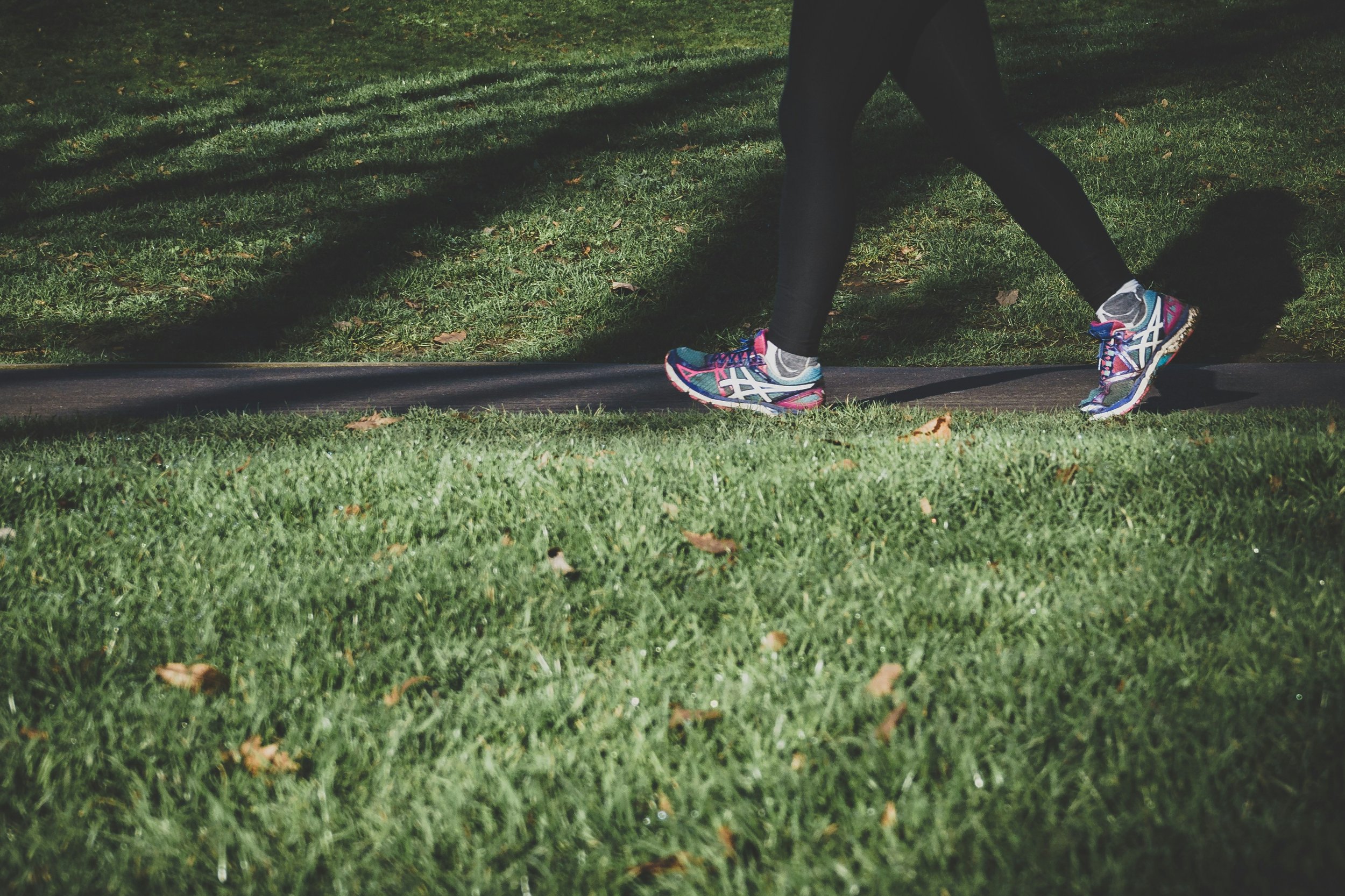
To make sure you’re getting the most out of your walks, adhere to the following:
Walk in nature if you can. Your local wooded park or even tree lined street will work great, just make sure there isn’t much traffic noise where you’re walking. Honking, revving, and screeching are counterproductive.
Leave your phone at home, or put it on airplane mode. Looking at your phone while you’re walking negates most of the mental health benefits and puts you right back into anxiety alley
Practice some walking breath holds 3-5x per 30min walk. Details on this hack below…
To execute the walking breath hold, take three normal breaths while walking at a steady pace. On the third breath breathe all the way out and hold it empty. Count the number of steps you can take before you have to breathe again. When you do have to inhale, try to return to normal breathing cadence through the nose as quickly as possible.
Results
5-15 steps: your Co2 Tolerance could use some work
15-25 steps: you’re about average
25-35 steps: your Co2 Tolerance is good! Do you meditate?
> 35 steps: Crushing it, you’re better than most of us. Enjoy the serenity!
This process will create a strong air hunger, which can be new for many people. While the feeling can be intense, don’t worry, there’s very little risk of any harm, minus possibly tripping on a seam in the sidewalk. What you’re doing is challenging your Co2 tolerance. Without getting into the biology, the more Co2 you can tolerate, the better your perception of and resilience to stress.
Think of this as a workout for your Co2 Tolerance. Just like a muscle, the more you work it the stronger it gets. You may be disappointed with your initial efforts, but keep pushing and before you know it you’ll be setting new personal records. If you’re doing it well, you’ll notice your stress and anxiety levels will have changed even by the end of your walk.
Tips for better scores:
Keep a normal walking cadence, don’t speed up
Instead of fighting the urge to breathe, think about relaxing into it as much as possible
Raise your vision to the horizon and broaden your focus to take in a wide view in front of you
Try to go just one or two more steps on each subsequent breath hold.

What if corporate wellness didn’t suck.
While the number of companies offering employee wellness programs is increasing, these efforts are largely box checking endeavors without much power to “move the needle” on actual employee health and wellness.
Most of the ineffectiveness of these initiatives comes down to misaligned incentives, indifferent employees, and a murky business ROI, even for the better programs. So what WOULD move the needle?
Below is my take on what corporate wellness would do if they really wanted to help their employees improve their health and fitness.
Feasibility aside, if a company were to implement the items below employees could see dramatic improvements in overall physical and mental health, driving down corporate costs associated with absenteeism, turnover, and direct healthcare costs as well as realize an uptick in employee productivity, creativity, and buy in.
1. Overhaul breakroom snacks
Let’s put the granola bars, 100 calorie packs, and other processed food where it belongs: The garbage can. Fresh fruit, vegetables, and high protein options like turkey rolls and smoked salmon should be the norm. No, this isn’t a shelf stable low cost no effort approach, and that’s the point. Think fresh food is expensive? Have you priced diabetes lately?
2. Get people moving
If you want to make a human organism sick, keep it from moving. Oddly it doesn’t take a cage, a screen will do. We know the less people move the more their vital signs look like they’re in a coma. Not surprisingly energy levels, motivation, and creativity concurrently take a nosedive.
Encouraging walking meetings, hourly movement breaks, and providing access to stretching rooms or outdoor walking trails would be huge. Sacrificing 5-10min per hour, or a longer break a couple times a day, is all it takes to keep your humans out of their screen comas.

3. Set screen time limits
Speaking of screentime, email and slack are killing your sleep quality. If you’re a C-level executive you’re not going to get out of answering emails and texts at all hours of the day and night. But hey, the comp is with it, right? For most though, this culture of urgency is simply unnecessary, and almost certainly damaging.
Through either company culture norms or actual technologically imposed limits, get people out of their work email, apps, and screens at a reasonable hour. Almost nobody needs to be checking their email before bed. Allowing, or even forcing, employees to unplug will not only get them to achieve better sleep quality (linked with huge increases in cognition, creativity, and learning) but also have them logging back in after their daily break sharp and refreshed.
4. Hire an expert
Bringing health and fitness experts like me in on a quarterly basis to present accurate, actionable health and fitness information to employees can dramatically reframe how people think about what they eat, how they move, when they sleep, and more.
Providing access to expert coaching can be the barrier lowering move that drives individuals to action who otherwise wouldn’t change their downward health spiral. Hosting a short term fitness challenge can be a cost effective way to foster team building and camaraderie in a positive way compared to the traditional alcohol fueled corporate happy hours. Seeing coworkers lose weight, gain confidence, and completely resolve chronic conditions creates a culture of fitness that’s hard to beat.
If you are in charge of a team and manage people at work, i’d love to collaborate on how to adapt these items, and more, for your people to get the most out of the investment. Your employees are your biggest asset.
Wouldn’t it feel great to show them you recognize that?

Who We Want To Work With
One of the undeniable facts of training people is that you can’t do the work for them.
I ran a CrossFit gym for more than ten years, and over that time period we saw countless life changing transformations. People would come in out of shape or without any prior athletic experience, and they would slowly, over time, sculpt themselves into elite levels of fitness.
For this to happen, they had to be willing to do the work.
The secret to elite athleticism is a trio of unwavering consistency, a hunger to make a change, and plan. If you could bring the first two, we had the third in spades.
It takes a commitment to showing up, on good days and bad, and doing the work. Those looking for a shortcut just didn’t have the patience it took to let the big changes happen. A mindset of “this is going to be challenging, but I’m capable of meeting that challenge” almost guaranteed success.
That same mindset is what I look for during consultations for the Holistic Transformation Program. Our most successful participants have the following things in common:
They have goals ambitious enough that it makes them a little anxious to think about.
They’re strongly uncomfortable in the present with their body, energy levels, or health.
They’re frustrated with not seeing results commensurate with their efforts.
They say things like “just tell me what to do, and I’ll do it”
And I gotta say that the last one is almost a guarantee that the person I’m talking to is about to experience a life changing shift.
To be clear, we’re not looking for perfection, we’re looking for effort. Nobody has ever been perfect throughout our programs, and it hasn’t stopped wild levels of success. We want participants that take direction, execute with intent, and genuinely want more for themselves.
The results we can confidently say we provide with consistency are:
Long term sustainable weight loss of 30-200lbs
Complete resolution of hypertension, acid reflux, IBS, and pre-diabetes
Meaningful improvement in blood markers including cholesterol, HbA1c, fasting blood glucose, and testosterone levels
Significant increases in daily energy levels, mental clarity, sleep quality, and recovery metrics like resting heart rate, HRV, and more.
If you’re curious, but not quite sure if the program is a fit, take the next step and book a coaching consultation. We’ll spend 45min going in depth about what you’d like to be different as well as presenting how we would guide you to make those changes.
When we have a good fit to work together, you’ll know, and you can get started right away. If you’re not a fit for the program, we’ll try to give you some free guidance on what to do next to make progress toward your goals.
We’re looking for who’s going to be our next big success story. Who knows, it might be you...

The Perfect Workout for 40 Somethings…
Here it is, the perfect workout split for 40 somethings 💪🏼
I'm soon to turn 42, have been a full time fitness professional for almost 15 years, and I can say that when my training weeks look like this I feel like I’m firing on all cylinders and tend to make rapid progress despite being “over the hill”. If you too want to hang with the younger crowd on the court and stay active and independent late into your retirement years, this is the ticket. Here are your priorities:
1st: Going Heavy
Frequency: 2-3x per week
What is it: Lifting heavy weights, mostly in 3-8 rep sets that are challenging enough that you come within a few reps of actual muscle failure.
Why: This kind of training builds strength and muscle mass, two things you need for an active lifestyle and independence in your later years. It also makes your bones harder, connective tissue more resilient, and improves your testosterone levels and insulin sensitivity. Oh and you’ll look ten years younger when hanging by the pool.
Some details: Rotate the fundamental movement patterns of squatting, hinging, and lunging for the lower body as well as pushing and pulling vertically and horizontally with the upper body. Free weights will deliver the best results, but if you’re new machines are simple to learn and will give you an easy to progress, high potency dose from the get go.
Example Session:
Back Squat 4x4-6 reps - rest 3min
Bench Press 5x5 reps - rest 2min
Pull Ups 3x Max Reps - rest 2min

2nd: Short and Intense
Frequency: 1-2x per week
What is it: Work capacity training, or “cardio”, that’s a total of 10-20min in length either straight through or in an interval format. You should be going hard enough that you want to stop, but don’t. CrossFit, HIIT, and boutique studio workout options often fall in this category, although it can also be done as running, biking, rowing and other cyclic movements.
Why: This builds your ability to do more stuff, broadly speaking. Specifically you’re working at your aerobic threshold which is the most effective way of increasing it. Your aerobic threshold is how hard you can go while still using oxygen. Once you’re going hard enough that you’re no longer using oxygen you’ll have to stop in a minute or two if you don’t slow down. Bottom line, you want to be able to keep going when your peers have to stop. This is how.
Some details: Heart rate should be as high as you can get it while sustaining your level of output over the workout, or 85-90% of max. A favorite way of mine is to do 4x 4min intervals with 4min of rest. The goal is to have the same output at the end as you do the beginning which can be measured as the number of rounds, reps, calories, or distance covered.
Example Session:
3 Rounds for time:
400m Run
21 Kettlebell Swings
12 Burpees
3rd: Long and Moderate
Frequency: 1-2x per week
What is it: Lower intensity cardio than above in a sustained format for 30-60min (or longer) in duration. While it can be done as a slower longer version of Short and Intense, it’s easier to pick a cyclic movement like running, biking, rowing, etc. Think of this as setting the throttle at a medium speed and sustaining it for a longer time frame.
Why: Often referred to in the fitness world as Zone 2 training, it efficiently builds the infrastructure upon which you construct your aerobic capacity with Short and Intense. If you want to nerd out, this includes improvements in how your body breaks down food for fuel and delivers it to the working muscles as well as how well your body pumps blood and delivers oxygen.
Some Details: This should be just about as hard as you can go and still breathe entirely through your nose. Another way to arrive at the right pace is roughly 70% of your max heart rate. I’m 41 and tend to do Zone 2 work near 140-145 BPM. Going harder here is not better. Try taking a small piece of 3M Micropore and taping your mouth shut.
Example Session:
40min on the stair climber @ sustained heart rate 10-145 BPM - adjusting speed to stay in zone - I'm currently using this to prepare for Colorado hiking season.
4th: Activity
Frequency: Every. Single. Damned. Day.
What is it: This is what fitness professionals are referring to when they say get your steps in. This is movement that’s low enough intensity that it does not cause enough stress on your body to drive athletic adaptations like those listed previously. This can be walking, dancing, playing on the floor with your kids, yard work, or even recreational sports like pickleball or frisbee.
Why: Human bodies work better when they move. This includes your cardio respiratory system, lymphatic system, muscular system… in fact, just about everything in your body works better when you move it. Not to mention your attitude will receive a positive adjustment. Think of this as the movement equivalent of brushing your teeth.
Some details: More is always better here. The intensity should be low enough that you can comfortable carry on a conversation and it definitely shouldn’t make you sore. If you need a metric, 30-60min a day is a good window with 10,000 steps being a good minimum. If you feel like you don't have time, force it and deprioritize something else. You'll be glad you did.
Example Session:
Walking the dog for 45min - extra credit for doing some air squats, arm circles, or just standing on one foot while he sniffs.
Before you get started...
If you have an active medical condition that’s being treated by a physician, check with them to see if you should exercise. Otherwise, remember that doctors are taught exactly nothing about exercise in med school and you'd be better off checking with an experienced trainer before starting an exercise program.

How to get results of Ozempic without the horrors
So by now it’s clear, ozempic and other GLP-1 drugs are working effectively for weight loss. What you might not hear about are the side effects or what happens when you stop taking it.
Did you know that most people taking ozempic suffer from nausea, frequent vomiting, substantial muscle loss, and severe GI issues (that can be permanent)? There also seems to be a risk of thyroid cancer, but we don’t yet have any longitudinal studies, so there’s a lot we don’t know.
All of this seems a steep price to pay considering if you ever STOP taking the drug the most likely outcome is that you’ll gain back all the weight you lost, plus a bit more.
A Faustian bargain if I’ve ever seen one.
What if I told you there’s a way to get similar results, feel better not worse, and have your efforts create positive, sustainable, and life long changes? Check out the 5 actions you can take below.
GLP-1 drugs drive weight loss by slowing gastric emptying which keeps you feeling satiated and reduces feelings of hunger. Not surprisingly, this leads to a lower caloric intake and subsequently weight loss.
Here are some other habits you can adopt that will similarly keep you from getting hungry without the nasty side effects. .
More and better sleep - Short duration and poor quality sleep reduce leptin (a satiety hormone) and increase ghrelin (a powerful hunger hormone) leaving you hungry when you otherwise wouldn’t be. It also increases carb cravings while simultaneously destroying insulin sensitivity leaving your blood sugar levels dangerously high. Take Action: A consistent bedtime that allows for a full 8 hours of lights out wil give you a shot at 7+ hours of sleep, a good minimum. Add a a 60min window prior to bedtime without any screentime and you’ll not only fall asleep faster but have less disrupted sleep throughout the night
Eat 1g of protein per pound of body weight per day. Yes, it’s a lot. Yes, it works. The role of protein is to provide essential amino acids for all the daily processes your body performs. Anything left over supports and repairs lean muscle mass, otherwise it gets eliminated. Protein also provides the most satiety per calorie keeping you more full than either fats or carbs would. Take Action: Divide your body weight in pounds by 7.5 (there’s roughly 7.5g of protein per ounce of most meats) and that’s the ounces of chicken, fish, lean beef, lean pork, etc you should be eating per day. If it feels like too much at first, stick with it. Your body and metabolism will adjust favorably to the increased intake within a matter of days.
Stay well hydrated. Thirst is commonly mistaken for hunger. Those that are better hydrated snack less and naturally achieve better calorie balance Take Action: A gallon of water a day is a great starting point for most of us, but that’s only half the battle. You should add salt to your water, or a sodium heavy electrolyte supplement like LMNT (Raspberry is our favorite flavor). Without minerals like sodium, magnesium, and potassium dissolved in your water much of it is passing right through you without being assimilated. And no, salt does not cause high blood pressure.
Space meal times 3-5 hours apart. Spacing your meals out evenly throughout the day improves satiety and since you’re not getting hungry, other food quality choices. Think about it. What was the first thing you ate the last time you went 8 hours without a meal? I’m willing to bet it wasn’t the healthiest choice. Take Action: Take your protein intake from #2 and divide it by 4 to get your protein portion per meal. Then add plenty of vegetables and fruits, maybe a little healthy fats like olive oil or nuts
Stop the HIIT and cardio. Long duration cardio or short intense HIIT / CrossFit workouts feel great and do burn calories, but they don’t burn anywhere near the amount that you’re likely to eat afterwards from the increase in hunger signaling these types of training cause. Take Action: Walking provides critical low intensity movement that makes just about every system in your body work better. It’s like brushing your teeth. Do it every day. Lifting weights preserves muscle mass and builds strength without causing a massive hunger spike like the higher intensity workouts.

What your annual check up is missing
What if the next time you headed to the doc for your annual check up they told you to wear workout clothes and that you’d be performing a physical fitness test?
One of the things CrossFit got really right was this idea that physical capacity is an excellent proxy for health and longevity. While many of us rely on medical tests to tell us how we’re doing in the health category, there seems to be a simpler and more relevant metric.
That metric is what you can do.
Can you pick up something heavy? Can you run a mile? What about five? Do you have good control of your body weight? What about an implement like a kettlebell or barbell? The ability to DO is incredibly important because the ability to do things today is highly predictive of your ability to do them tomorrow.
Not sold? Flip it around. Let's say you wake up tomorrow and your ability to DO is severely limited. You can’t squat (ie. get off the couch).
Now you need someone to help you stand up. You’ve lost your endurance, making climbing the stairs an arduous task, not just coming up from the basement. You’ve lost some balance and agility so you feel at risk of falling with every step you take...
You’ve quickly gone from feeling solidly middle age to straight up elderly. To lose the ability to DO is to lose your independence, your quality of life, and your health with it. It’s hard to think of a scenario where any of us would want to give up our physical capacity for a better cholesterol score or lower blood pressure. Have a better number on paper but be strapped to a walker at the grocery store? Hard pass.
The clinical data is pretty clear here too. Grip strength is a better predictor of mortality than even blood pressure (commonly considered one of the best). The cross legged sitting to rising test is a great predictor of longevity as well. As your physical capacity improves, the length and quality of your life improve. And yes, so do your blood pressure and cholesterol by the way.
I’m not proposing we do away with regular blood work, blood pressure tests, etc. I use these diagnostic tools in my Holistic Transformation program. We would be well served though to add a physical test to our annual check ups.
Clearly these physical tests need to be tuned to the individual, but here are some of my favorites for fit and active middle aged people like you and I:
Three Rounds for Time:
Run 400m
21 Kettlebell swings
12 Burpees
Deadlift 3 Rep Max
Row 5000m for time
Max Pull Ups
Sounds a little too intense? Here are a few alternatives:
Walk for Max Distance in 30 min wearing a heavy backpack
Squat as deep as you can without pain or help getting up
Stationary Bike for Max Calories in 10 minutes
If you can imagine people that do well on these tests, they’re energetic, vibrant, and capable. Not only do they have energy and independence, but the outlook for their health is pretty rosy. They’re going to be able to do tomorrow just like they did today.
Let's say this email resonated with you and you go out and test some of these metrics. You now have a baseline, and what’s most important is not how you stack up versus others, but how your capacity trends over time.
Knowing whether you’re getting better or worse is not only simple to test but gives you great data you can take action on. Not knowing is no excuse. Get your butt on the rower! It matters less where you are than where you're going!
While I’ve got your attention, the most powerful things you do to change your ability to perform, and your longevity and quality of life as a result are to change:
What you eat
How much and how well you sleep
The type, amount, and intensity of your exercise
How much you eat (distinct from #1)
How much non exercise activity you get daily
If you’re looking for a change in these categories, let us show you where to start

The Stalemate That’s Stopping You
Let's get philosophical for a moment.
The following concept came up during a consultation with a new client this week. We were talking about the ability to hold two conflicting ideas in our heads at one time, and how it can cause an uncomfortable stalemate instead of progress.
The First Idea (in two parts)
You are your body.
It is you.
There is no meaningful division between what is your consciousness and the meat suit you inhabit every day of your life.
Also, your body is an incredibly adaptive and capable biological entity. Its ability to perform, survive, heal, cope, and thrive is far beyond anything humans have ever constructed.
Some of the regular daily processes your body performs still appear indistinguishable from magic despite our substantial scientific prowess.
These two facts alone are sufficient to make your body worthy of unconditional love and acceptance. It’s amazing. It’s you. We should all love our bodies.
The Second Idea
Despite how amazing our bodies can be, many of us also feel potent dissonance at times when we see our own image in a photo, social post, or passing reflection. We wish we had more energy, were sleeping better, and that our joints didn’t hurt.
Our body at times might not look or feel like us, and that sucks. Whether we’re pudgy, pasty, skinny, achey, lethargic, whatever. We want more for ourselves. And that's very real.
The Reconciliation
How does one love their body fully but also recognize that we’d be more comfortable with more control over it? Should I love my body if it doesn’t fit in the clothes I want to wear, or feel how I want to feel?
Too much acceptance and you’ve lost the initiative to make change. Not enough and we end up in a negative headspace of shame and guilt.
The solution is to take action to remove the dissonance.
While many aspects of our physicality aren’t easily changed, such as our height, skin color, and bone structure, aspects like body composition, muscle tone, energy levels, mood, and overall health respond readily and rapidly to shifts in behavior.
If you feel some of this friction, can you strike a balance?
I think so, yes.
And this is one of the things we ask of our clients: To respect and love your body as it is, right now, without qualification.
And then recognize, at the same time, you’re a work in progress. You can be in a good place and moving forward at the same time.
If you don't look and feel like yourself, take action. It’s time to better care for yourself. Improving your habits around food, sleep, and exercise is the most powerful way to honor and love your body and resolve the dissonance that you feel
If you’re feeling the friction, let's talk. Let us show you what’s possible. It’s not too much to ask that you look like YOU in the mirror, that you feel fantastic day to day, and love the body you live in without the dissonance.

The Dad Bod Is Out
This one's for the fellas...
One part of popular culture I do not understand is the glorification of the Dad Bod, and all it stands for.
If you’re a middle aged man and you wake up one day to find you’re soft and weak, it’s time to make a change. And if you won’t do it for yourself, do it for your family and those that love and rely on you. While humans come in all shapes and sizes, nobody is at their best with a pudgy midsection and no discernible muscle mass.
Get your ass in the weight room, start eating like an adult, put down the booze, and get more sleep. It’s a simple change that will make you harder to kill and more useful in general to yourself and everyone around you.
Do today so you can tomorrow
Our everyday lives as Americans are on average completely devoid of any physical challenge. This is bad news if you’re a human living in a body that is the epitome of a "use it or lose it" organism. You can go months without lifting anything that weighs more than a few pounds, walking more than a few thousand steps in a day, or getting out of breath. No, that trot up your basement stairs doesn’t count.
If you’re not using your joints, muscles, connective tissues, lungs, skeleton, and cardiorespiratory system, you lose the ability to do so. Entropy is a bitch and if you’re not actively fighting it, it’s a battle you’re losing every day.
The bottom line is if you’d like to be generally physically capable, ready for and unafraid of the unknown, and independent late into life, you’re going to have to take action now. Lift heavy things, work so hard you want to stop (but don’t), and learn the limits of your physical capacity.
Learn how to use a barbell, kettlebells, or even just the machines at the gym. Run, swim, ruck, bike, fight, chop wood fast and hard. Figure out how to move your body and learn what it can do, where its limits are, and push them just a little bit several times a week.
You’ll find you get stronger, you look better, and your energy increases along with your confidence, resilience, and libido. How do you think that might affect your relationship with your spouse? Your kids? Your coworkers?
Food matters
The next step is fueling yourself appropriately. This is not complex, although it can be quite hard to give up the easy way. Eat lots of meat, vegetables, fruit, and healthy fats. Avoid sugar, processed foods, and treats. When you can see your abs, then you get starchy carbs. Stop eating out and cook your own food. Ignore the vegan propaganda nonsense.
It’s also time to put down the booze for a bit. Alcohol was fun when we were in our twenties, but now it’s clearly poison for the mind and body. Treat it as such. It will tank your testosterone, destroy your sleep, depress your mood, and tear up your gut. Go a few months without a drink. Then have a few beers and tell me the next day that I’m wrong. If you’re coping with alcohol that means you’ve got pain and discomfort in your life. Call it what it is and develop healthy coping mechanisms like breathwork, cold exposure, meditation, and if necessary get your butt into therapy.
Go the F*ck to Bed
If you’re training hard and eating like an adult, you’ll also want to get more sleep. Those that say they’ll sleep when they’re dead will be dead much sooner than the rest of us. Getting 7 hours of solid sleep every night is real a minimum.
Start by tracking your sleep. More than 90% of the clients I work with aren’t getting nearly the amount of sleep they think they are. There are plenty of free apps to get started with, but the best data comes from high end wearables. It’s a couple hundred bucks you absolutely will not regret.
Great sleep helps you gain muscle and lose fat, keeps you cognitively sharp, and improves your drive. It also shores up your mood stability so you don’t get whiny, snippy, and depressed.
Real men set bedtimes, turn off the electronics an hour before lights out, and learn to read, journal, or meditate to wind down. I hear from clients all the time that spending time in the evenings without screens opens new chapters in their relationship by giving them time to talk, connect, and be a couple.
The Dad Bod and everything it represents is out. We’re out here getting strong, eating well, and resting to fuel the fire again the next day. Join us. We’d be thrilled to show you a better way.
Not sure where to start? Reply to this email with one thing you want to be different. We want to hear from you.

The Problem With Fitness Social Media
Here's the problem with social media fitness content as I see it:
Almost everyone I talk to these days is getting some kind of health or fitness information from social media. Yet why are so few seeing the changes and results they’re looking for?
The problem, in my opinion, isn’t bad information. Most of what I see on Instagram, X, and Facebook is actually pretty good information. The problem I see is cardinality, or more specifically, a complete lack of it.
What’s MOST important? What should you do first? If you only do a couple things, what should they be?
Get this right and you’ll see results, your motivation will go up, your journey continues. Get it wrong and your efforts don’t deliver, you get discouraged, and probably go back to what you were doing before.
If you’re like me, you probably see posts with messages that tell you that you should:
Take a magnesium supplement because it’s incredibly important for so many bodily processes and will radically change how you feel!
Lift heavy weights, and in particular to do this one exercise called the bulgarian split squat that will help you build muscle and stop knee pain!
Start your day by getting sunlight as soon as you can to set your circadian rhythm and improve your sleep later that day!
All of this is great information, but it’s easy to be quickly overwhelmed. How do you prioritize? Nobody has the time, money, or energy to do everything they’re seeing come across their feed. At some point you’re going to have to pick and choose where to invest your resources, and if that investment doesn’t pay big dividends it’s going to leave you discouraged and frustrated.
Which of these domains has the most power to drive change for YOU? Is it supplements, exercise selection, sleep habits, nutritional approach, red light therapy, cold baths, meditation, or something else entirely?
Answering this critical question of prioritization is something we do exceptionally well with the Holistic Transformation Program.
We've distilled the sea of fitness information down to the essentials and prioritized them in order of “bang for your buck”. What’s going to give you the biggest improvement relative to the effort you put in?
In our experience, when someone starts a new approach to their fitness, if they experience dramatic changes that are clearly identifiable, in a short period of time, their motivation skyrockets.
This starts the snowball rolling downhill. Once someone realizes they CAN do it, they dig in even harder and the results tend to compound. Our typical clients lose a bunch of weight in the first couple weeks while their energy jumps through the roof and their GI issues go away. By that point they’re paying attention and want more.
Here’s how we prioritize the first half of the Holistic Transformation Program, based entirely on the power of each area to drive meaningful change in health and fitness:
Food Quality - Changing what you’re eating from a haphazard to a completely anti inflammatory diet.
Meal Prep - This has everything to do with sustaining and maintaining Step 1. Consistency and sustainability are critical to making life changing habit adjustments.
Sleep - Nobody is sleeping as well as they think, and there’s huge power in excellent sleep. Sleep better and life gets better in every way.
Exercise - The right training program aligned with your goals takes the parking brake off your results. You don’t need to spend two hours in the gym if you’re being efficient.
Supplements - While not as powerful as food, the right supplements are relatively cheap and REALLY move the needle. Which ones are worth it?
Macronutrients and Energy intake - Learning how to quantify what’s going into your body through the food hole will change forever how you look at what you eat and leave you feeling in total control
We use this order because it works with our clients to create change, maximize buy in, and improve the outcomes for everyone we work with. Will this order work for you personally? It depends on your own personal circumstance, what you want to be different, and your level of commitment to making a change.
Answering these questions is one of the important things we do during our free consultations. We’ll be honest with you about whether you’re a good fit or not. And even if we don’t work together, we’ll try to leave you with new tools to accomplish your goals.
CLICK HERE to get us on your schedule for a friendly chat!

Cure That Bloating Part II
Here's Part II on how to fix 90% of all bloating and digestive issues...
(if you missed Part I, reply to this email and we'll get you a copy)
Last week we discussed how removing specific items from your diet for a period of four weeks was the first step to resolving bloating and GI issues
If you’ve taken the plunge and adapted what you’re eating to just meat, vegetables, fruits, and healthy fats you’re probably feeling a LOT better by this point. We routinely get reports of significant weight loss, improved energy, better sleep, and yes… the disappearance of bloating, as you clean up what you’re eating.
You may also have realized that a vast majority of “food” available to us as Americans contain one or many of the ingredients you’re attempting to avoid. It can be a harsh awakening coming to terms with the idea that most of what you find on the shelves, whether at the gas station or the grocery store, is not really fit for human consumption. The cost of eating it greatly exceeds what you pay at the check out.
Step 2 - Reintroduction
Once you have taken a four week break from the suspect foods list in my previous email, it’s time to test each of these food groups for tolerance. Careful reintroduction is important because your reactions to foods will have changed after a period of doing without them. Your gut will have healed to some degree and responses to inflammatory food will be less confusing.
For instance, corn is well tolerated by many after eliminating wheat for a while, but routinely causes problems if eaten within days of each other. This is called cross reactivity. Also, eggs cause issues on a damaged gut, but are relatively safe for many people after four weeks of elimination of the entire list.
The How To
Try out one single food group at a time. For example, to test dairy, try some cheese along with other safe foods you’ve been consuming regularly, instead of having pizza which contains several of the suspect food groups. Singular foods will allow you to assess individual reactions and not confuse the test by introducing multiple variables at the same time.
Also test different individual foods within groups. People tolerate heavy whipping cream and hard cheeses much better than skim milk and soft cheese. Homemade sourdough bread seems to be tolerated much better than store bought white bread. Agave based spirits like tequila or mezcal with soda water and ice tend to cause far fewer issues than white wine or beer.
Wait for at least 24 hours between food tests, and waiting several days is an even better idea if you do feel a significant reaction. Did you know wheat can stay in your digestive system for 7-10 days?
What to look for
During testing, did you notice the bloating or digestive problems come back? Did your weight jump up the next day indicating an inflammatory response? Was there a change in joint pain, brain fog, sleep quality, nasal congestion, swelling, or other symptoms? If you had no reaction to the food at all, it’s likely safe for regular inclusion in your diet.
If you had some mild symptoms, it might be worth it to have that food occasionally with a full understanding of what it might cost you. As an example, dairy causes me some congestion and mild stomach discomfort. However, I dearly love a good ice cream sundae. Balancing these, I indulge every month or two getting whatever I want from the local ice cream shop and enjoy every bite. I know what it’s going to cost me, so I eat it guilt free, but infrequently.
During the reintroduction process, identifying foods that cause significant to severe symptoms can help you eliminate the worst of your problems and steer clear of those items completely.
Knowing what foods will cost you in discomfort puts you a big step closer to aligning your nutritional choices with your values.

Cure Bloating For Good
I'm about to tell you how to fix 90% of all bloating and digestive issues.
There’s a difference between feeling satiated after a meal and the uncomfortable pressure that comes with abdominal bloating that seems to be all too common. If you’re anything like our clients, you might feel some abdominal bloating or other GI issues on a regular basis after your meals. I’m going to tell you how to figure out what’s causing it and fix it once and for all.
If you’re having some bloating or other digestive symptoms, the problem is what you're eating. Through a thorough elimination diet you can not only feel better quickly, but also make better decisions in the future about what foods are worth it to you.
Step 1 - Elimination
To solve your bloating, and other GI issues, first eliminate all the possibly problematic foods from your diet for a short period of time. Four weeks tends to be a good start. The things you should avoid eating completely during this time are below. Start with the most problematic items at the top, and continue to eliminate items down the list until your symptoms have resolved.
Wheat and grains (cereal, breads, beer, soy sauce, breakfast bars, etc)
Alcohol (wine, liquor, hard seltzers, etc)
Seed oils (Canola, palm, corn, soybean, cottonseed, grapeseed, and sunflower oi)
Dairy - except butter which tends to be well tolerated (milk, cream, cheese, yogurt)
Sugar Alcohols (Sorbitol, Xylitol, Lactitol, Mannitol, Erythritol, Maltitol)
Processed and packaged foods with many ingredients
Sugar (table sugar, agave, honey, HFCS, cane syrup, etc)
Eggs (whole eggs, yolks, and egg whites)
Artificial sweeteners (aspartame, sucralose, sugar alcohols)
Corn (tortillas, corn chips, tortilla chips)
Legumes (all types of beans)
This is an extensive list and will leave you eating primarily meat, vegetables, fruits, and fats from olive, coconut, and avocado sources as well as some nuts and seeds. While this may seem restrictive, it’s only for a short time and the results are very much worth the investment.
During this phase you might consider weighing yourself on a daily basis. Most clients tend to lose a substantial amount of weight in the first week or two as the chronic inflammation from problematic foods subsides. You should also notice better energy and improved sleep quality.
Most importantly, your bloating and digestive issues will have disappeared.
From a physiological perspective, there's nothing wrong with eating just meat, vegetables, fruit, and healthy fats into perpetuity. You will do no physical harm to yourself restricting intake to these foods, and will likely see substantial improvements in all health markers by doing so.
It’s worth noting there are differing approaches if you’ve had your gallbladder removed, have an active autoimmune condition, or are returning to eating meat after a long period of vegetarian or vegan eating.
Step 2 - Reintroduction and Assessment
Next week we'll follow up with our reintroduction protocol where we'll teach how to test foods for tolerance, identify problem items, and how to use that information to make better decisions about what you eat in the future.
While nobody has ever achieved peak health on a diet of pizza and beer, we also believe nobody has ever achieved peak happiness on naught but chicken and broccoli.
Stay tuned for how to find balance and "game the system" to indulge in the items that are worth it without sacrificing your health and fitness goals.